
Understanding Luck in Gambling
In the realm of gambling, luck is often perceived as a significant factor influencing a player’s success. Many individuals who enter a casino do so with high hopes of striking it rich, believing that a fortunate turn of events can lead to substantial wins. This reliance on luck can be a double-edged sword, as the belief in luck can result in impulsive decisions during high-stakes moments, ultimately shaping a player’s overall gambling experience. However, some players find it helpful to use resources like love casino login for managing their strategies, and it is crucial to acknowledge that luck is inherently unpredictable, making it challenging to measure its true impact on outcomes consistently.
The psychology of gambling is deeply intertwined with the concept of luck, influencing how players approach their gaming experiences. Gamblers often develop superstitions surrounding lucky numbers or rituals, convinced that these practices might sway their fate in their favor. While these beliefs can create an exhilarating atmosphere in the casino, they may also distort judgment, leading to reckless betting patterns. When individuals attribute their wins solely to fortune, they may overlook the significance of strategic play and calculated risks, which are vital for long-term success in gambling.
Moreover, while luck undeniably plays a role in short-term results, its influence tends to diminish over time, particularly in games that require a combination of skill and strategy. Players who dedicate time to mastering the intricacies of these games often discover that success is less about luck and more about knowledge and experience. For example, in poker, a game that blends skill and chance, seasoned players typically outperform novices over an extended period. This suggests that while luck may shine upon a player temporarily, sustained success is predominantly rooted in learned abilities and strategic thinking.
The Role of Strategy in Casino Games
Though luck is an unpredictable aspect of gambling, a well-structured strategy can significantly enhance a player’s chances of success. Whether participating in card games, slot machines, or table games, understanding the rules and devising a plan can effectively shift the odds in favor of the player. For instance, in blackjack, employing basic strategy can dramatically reduce the house edge, illustrating that success is not merely about waiting for luck to manifest. Instead, it showcases the importance of informed decision-making based on sound strategies.
In games such as roulette, where outcomes are primarily determined by chance, players can adopt betting strategies, such as the Martingale system, to manage their bankroll effectively. While these strategies do not guarantee wins, they provide a structured approach to betting which may result in more frequent small victories rather than risking one’s entire stake on a single bet. This combination of strategic planning and a dash of luck can create a more sustainable gambling experience, empowering players to manage their finances more wisely.
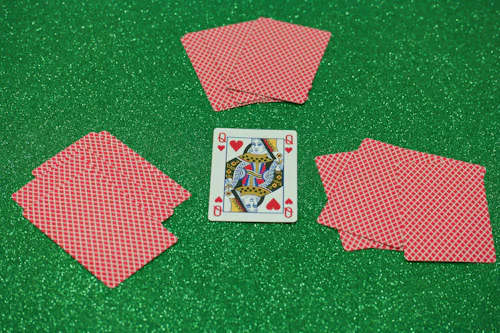
Additionally, the psychological component of strategy should not be disregarded. Players who engage with games through a strategic lens tend to demonstrate greater discipline, leading them to make more rational choices that can counterbalance the whims of luck. By approaching the game with a well-defined plan, individuals can mitigate emotional reactions to wins and losses, fostering a more balanced gambling experience that can yield greater success over time. In essence, while luck may have a role, cultivating a strategic mindset is crucial for maximizing that luck effectively.
The Intersection of Luck and Skill
The intricate relationship between luck and skill in gambling creates a multifaceted landscape where both elements interact and affect outcomes. In many casino games, players must navigate this intersection skillfully. For example, in poker, even if a player receives a seemingly lucky hand, it is the player’s skill that ultimately determines how effectively that hand is played against opponents. Therefore, while luck may establish a favorable scenario, it is the player’s expertise and decision-making that will dictate the final result.
In the realm of sports betting, the unpredictability of outcomes exemplifies how luck can either bolster or impede a player’s success. Bettors who rely exclusively on luck, neglecting to analyze team statistics and player conditions, may find themselves facing persistent losses. Consequently, blending analytical prowess with an understanding of luck creates a more comprehensive approach to betting, enabling players to enhance their chances of success in the long run.
This interdependence between luck and skill underscores the significance of continuous learning and adaptability in the gambling domain. Players should strive to hone their skills while remaining cognizant of the role luck plays, which can fluctuate from game to game and session to session. Embracing both elements cultivates a richer gambling experience, allowing players to appreciate their strategic victories while also celebrating the serendipitous moments when luck favors them.
Managing Expectations and Gambling Behavior
One of the foundational elements of successful gambling is the ability to manage expectations concerning luck. Many players walk into casinos infused with the hope of winning big, driven by the allure of luck. However, this mindset can lead to disappointment and potential issues with gambling behavior if expectations are misaligned with reality. It is vital to recognize that luck will not always be on one’s side, which is crucial for maintaining a healthy relationship with gambling.
Establishing realistic goals and limits can significantly assist players in navigating the unpredictable nature of luck. By acknowledging that wins may be sporadic and that losses can happen, gamblers can foster a more sustainable approach to their gaming experiences. Practicing responsible gambling habits, such as managing budgets and knowing when to walk away, can enhance the enjoyment derived from playing without the pressure of relying solely on luck for financial gain.
Moreover, adopting a mindset centered on enjoyment rather than solely financial outcomes can transform the gambling experience. When players perceive gambling as a form of entertainment, they are less likely to fall into the trap of chasing losses or becoming overly emotional about outcomes dictated by luck. This balanced perspective allows individuals to engage with the games more freely, relishing both the thrill of chance and the gratification of strategic play.
Exploring Responsible Gambling Resources
In discussions surrounding luck and casino success, it is equally essential to highlight the resources available to promote responsible gambling practices. Numerous casinos and online platforms prioritize player safety by implementing features that encourage responsible gaming habits, such as setting deposit limits and providing self-exclusion options. These resources are designed to foster a healthy gaming environment, allowing individuals to enjoy gambling while avoiding the pitfalls associated with excessive reliance on luck and potential gambling addiction.
Furthermore, educational platforms and organizations are dedicated to raising awareness about responsible gambling practices. They offer insights into the psychology of gambling, the impact of luck, and practical strategies for maintaining a balanced approach to gaming. By participating in these educational initiatives, players can arm themselves with the knowledge required to navigate the gambling landscape responsibly and effectively.
In conclusion, comprehending the balance between luck and strategy is vital for anyone looking to engage in casino games. By prioritizing responsible gambling and utilizing available resources, players can enhance their gaming experiences while mitigating the risks associated with relying solely on luck. Embracing both elements fosters an environment where enjoyment and success can coexist, fundamentally transforming the way players approach their time at the casino.