
You’ve heard the term tossed around in lobby chats and on community threads, but what is a fixed jackpot really, and how does it fit into a session when you’re chasing a set payout rather than a rolling pool? For Aussies who already spend big on entertainment each year – we’re among the biggest gamblers per capita, losing more per adult than any other nation – knowing the difference between a locked prize and a growing meter matters before you tap deposit.
How a Fixed Jackpot Appears in the Game
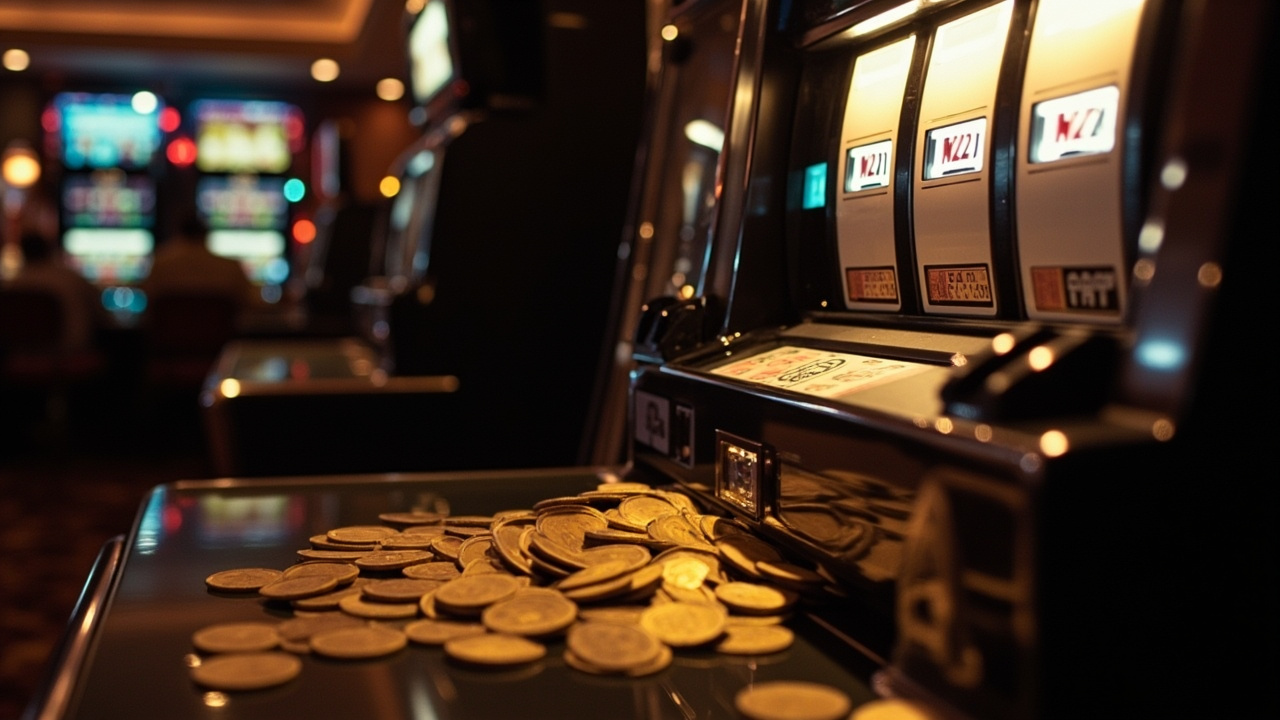
A fixed jackpot is a prize tier that stays set at a specific amount, regardless of how many hands are dealt or how long the table runs. You’ll usually spot it as a top-line payout printed on the paytable or listed in the game rules, and it doesn’t climb with every bet placed around it. The moment you hit the qualifying combination, the screen pays out that predetermined figure – no meter to watch, no community pool to share. That predictability is the whole point: you know the ceiling before you spin, and the operator knows exactly what they’ve priced into the math.
If you’re comparing setups across different lobbies, a solana casino fast transactions environment can make the payout flow feel tighter, but the jackpot itself doesn’t change just because the chain settles quicker. The fixed number is baked into the game rules, not the payment rail, so you’re still reading the same paytable whether you’re funding with AUD, USD, or a crypto balance. What shifts is how quickly you can move on after a win, not what the prize says on the glass.
Reading the Table, The Crew, and The Software Behind It
The physical crew behind a fixed prize
Even though you’re playing screen-to-screen, the mechanics still borrow from a full craps crew, which includes a boxman, a stickman, and two base dealers. That structure isn’t there to slow the game down – it’s how a live table keeps the payouts honest, watches the action, and makes sure a fixed top prize lands to the right player without ambiguity. When a digital version carries a fixed jackpot, the same discipline shows up in the code: the paytable is locked, the qualifying bet is stated upfront, and the operator’s backend tracks who triggered it. You don’t need to know the crew by name, but it helps to understand why a set prize feels more controlled than a progressive meter that can swing with every wager in the room.
What the software is actually watching
Behind the paytable, anomaly-detection software flags unusual betting patterns, and that’s where a fixed jackpot gets its guardrails. The system isn’t there to spoil a good run – it’s watching for bet sizing that doesn’t match the stated rules, repeated max-line triggers in short bursts, or account behaviour that looks out of step with the game’s pricing. If something trips the flag, the session gets reviewed before a payout clears, which is why a fixed prize can feel slower to release than a small win. That’s not a flaw in the jackpot; it’s the integrity layer doing its job. For a player, the takeaway is simple: play the paytable as written, keep your bet sizing consistent with the rules, and you’re working with the system rather than against it.
How the payout actually lands
When you hit the combination that unlocks a fixed jackpot, the prize doesn’t negotiate with a growing pool – it pays the stated amount, subject to the game’s standard rules and any wagering attached to the bonus that delivered the spin. In practice, that means the screen shows the set figure, the cashier logs the win, and the operator’s verification step checks that the triggering bet matched the paytable conditions. Nothing about the jackpot itself changes mid-session, so you’re not watching a meter climb or waiting on other players to feed it. The speed of the payout then depends on the cashier flow, the currency you used, and the standard identity checks that sit in front of any larger win. That’s the part most players care about once the screen flashes – not the math behind the prize, but how cleanly it moves into the balance you can actually use.
| Detail | What it means for the player |
|---|---|
| Prize type | Set amount, stated on the paytable before you play |
| Trigger | Specific combination or bet condition, not a shared meter |
| Payout flow | Logged in the cashier, subject to standard verification |
| Currency | Set in the lobby you choose; AUD and crypto balances both common |
| Mobile | Same paytable and rules on phone or desktop, no separate prize tier |
Who This Fits and Who Should Leave It Alone
A fixed jackpot suits players who want a clear ceiling before they commit a spin, not someone chasing a number that might climb while they’re watching. If you like knowing the top prize upfront and you’re comfortable that the payout won’t surprise you with a larger figure mid-session, this is the mechanic to read first. It also suits sessions where you’re treating the paytable as the guide – you’re checking the qualifying bet, the stated amount, and the rules around any bonus that delivered the game, rather than hoping a shared pool will swing in your direction. On the other hand, if you’re the type who wants a prize that grows with the room and you’re happy to ride a meter for longer, a fixed tier will feel too locked in. Either way, the move is to read the paytable before the first bet, not after the screen flashes. solana casino fast transactions
Isla Taylor, Risk and Integrity Manager, Kangaroo Point Analytics, puts it plainly: “A fixed jackpot removes the guesswork from the prize itself, but it doesn’t remove the need to read the paytable and the bonus terms that delivered the game.” That’s the judgement call I’d make as someone who’s spent years watching acquisition funnels and community growth in the Stake and Kick ecosystem – the players who stick around are the ones who know what they’re chasing before they tap the button, not the ones who assume a flashing screen means a bigger number than what’s printed. When you’re weighing a lobby, the same discipline applies to the cashier as it does to the paytable: check the currency, the bet sizing, and the verification step that sits in front of any larger win, because that’s where the session actually ends up.
You don’t need to overthink the term once you’ve seen it on a paytable – a fixed jackpot is just a set prize, stated upfront, paid when the qualifying combination lands, and unaffected by whatever else is happening in the room. Read the rules, keep your bet sizing honest, and treat the cashier flow as the part that actually decides how quickly a win becomes usable balance. No worries if you’d rather chase a growing meter instead; just know which one you’re sitting at before the first spin.